Books, publications, organisations and websites that have inspired and informed this project, and also some suggested further reading for anyone with an interest in burial grounds, memorials, funerary practices and related subjects.
“When you’re dead, they really fix you up. I hope to hell when I do die somebody has sense enough to just dump me in the river or something. Anything except sticking me in a goddam cemetery. People coming and putting a bunch of flowers on your stomach on Sunday, and all that crap. Who wants flowers when you’re dead? Nobody.”
From The Catcher in the Rye by J.D.Salinger (1951)
This quotation received more ‘likes’ (last time I checked, 1,997) than any other in the list of Cemetery Quotes published on the goodreads website. The next most popular was Charles Baudelaire (‘I am a cemetery by the moon unblessed’) with 310 likes. Percy Bysshe Shelley, William Shakespeare, Emily Brontë, James Joyce and Bob Dylan all lagged well behind.
Click on the LINKS to find out more…..
LOCAL HISTORY
GENERAL HISTORY
MEMORIALS, TRANSCRIPTIONS & EPITAPHS
MINISTERS, RELIGION & THE SUNDAY SCHOOL
WAINSGATE AT WAR
REFUGEES
THE WORKHOUSE & THE ASYLUM
FURTHER READING

Allegory of Vanity by Antonio de Pereda y Salgado (c1611-1678)
A vanitas is a symbolic work of art showing the transience of life, the futility of pleasure, and the certainty of death, often contrasting symbols of wealth and symbols of ephemerality and death. Best-known are vanitas still lifes, a common genre in the Low Countries of the 16th and 17th centuries.
The Latin word vanitas means emptiness, futility or worthlessness, and the English word vanity originally had the same meaning.
Vanity of vanities, saith the preacher; all is vanity.
Ecclesiastes 12:8
* * *
LOCAL HISTORY
Wainsgate Baptist Chapel West Yorkshire: a History & Guide Charles W. Thomson (Historic Chapels Trust, 2012) *
A Short History of the Baptist Church at Wainsgate 1750–1950 Raymond Ashworth (1950) ***
The document has been scanned by the Hebden Bridge Local History Society, and a pdf copy can be downloaded here:


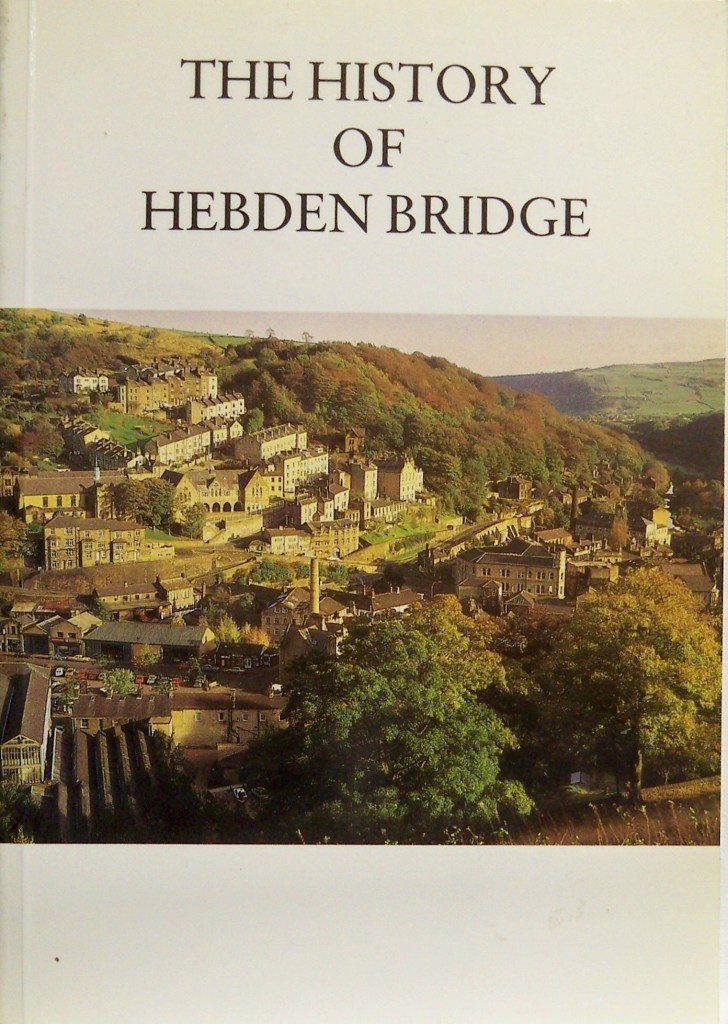
The History of Hebden Bridge Colin Spencer (Hebden Bridge Literary & Scientific Society, 1991)
Pennine Valley Edited by Bernard Jennings (Hebden Bridge WEA Local History Group, 1992)
A Century of Change: 100 years of Hebden Bridge and District Colin Spencer, Bill Marsden, Frank Woolrych, Diana Monahan (Hebden Bridge Literary & Scientific Society, 1999)
Wadsworth Old Town School – A History of a Village School 1896-1996 Ray Riches & Alan Fowler (1996)
Old Town Cricket Club – a Short History Ray Riches (undated)
The Clothing Industry of Hebden Bridge: selected texts Tom Greenwood, Sam Moore, George Hall Greenwood – Edited by Nigel Smith & Diana Monahan (Hebden Bridge Local History Society, 2018)
Power in the Landscape – water powered mills in the Upper Calder Valley (Hebden Bridge Alternative Technology Centre, 2007)
The Little Hill Farm (revised edition) William Bunting Crump, Edited by Nigel Smith (Hebden Bridge Local History Society, 2023)
Looking Back at Hebden Bridge Frank Horsfall & Terry Wyke (Willow Publishing, 1986)
Alice’s Album – The Story of a Hebden Bridge Photographer’s Studio Issy Shannon & Frank Woolrych (Milltown Memories Publications, 2004)
Elmet Poems by Ted Hughes, photographs by Fay Godwin (Faber and Faber, 1994)
Hebden Bridge Web hebdenbridge.co.uk
Hebden Bridge Local History Society hebdenbridgehistory.org.uk
Malcolm Bull’s Calderdale Companion calderdalecompanion.co.uk
Pennine Horizons Digital Archive pennineheritage.org.uk/pennine-horizons-digital-archive
From Weaver to Web: online visual archive of Calderdale History calderdale.gov.uk/wtw/
West Yorkshire Archive Service wyjs.org.uk/archive-service/
GENERAL HISTORY
Cemeteries and Graveyards – a Guide for Family and Local Historians in England and Wales Celia Heritage (Pen & Sword Family History, 2022)
Ancestry (Family History website) ancestry.co.uk Invaluable source of family histories and historical records – census forms, electoral registers, military records and much more.
Free BMD (GRO Birth, Marriage and Death index transcriptions) freebmd.org.uk
Find a Grave website www.findagrave.com A number of Wainsgate graves (currently 1,927) are listed on the website, and more will be added in due course.
The National Archives nationalarchives.gov.uk
National Library of Scotland – Map Images maps.nls.uk High-resolution, zoomable maps viewable online, including Ordnance Survey maps of Britain from 1840s to 1970s
* available from Wainsgate Chapel (£6).
*** copy in the Hebden Bridge Local History Society archive.


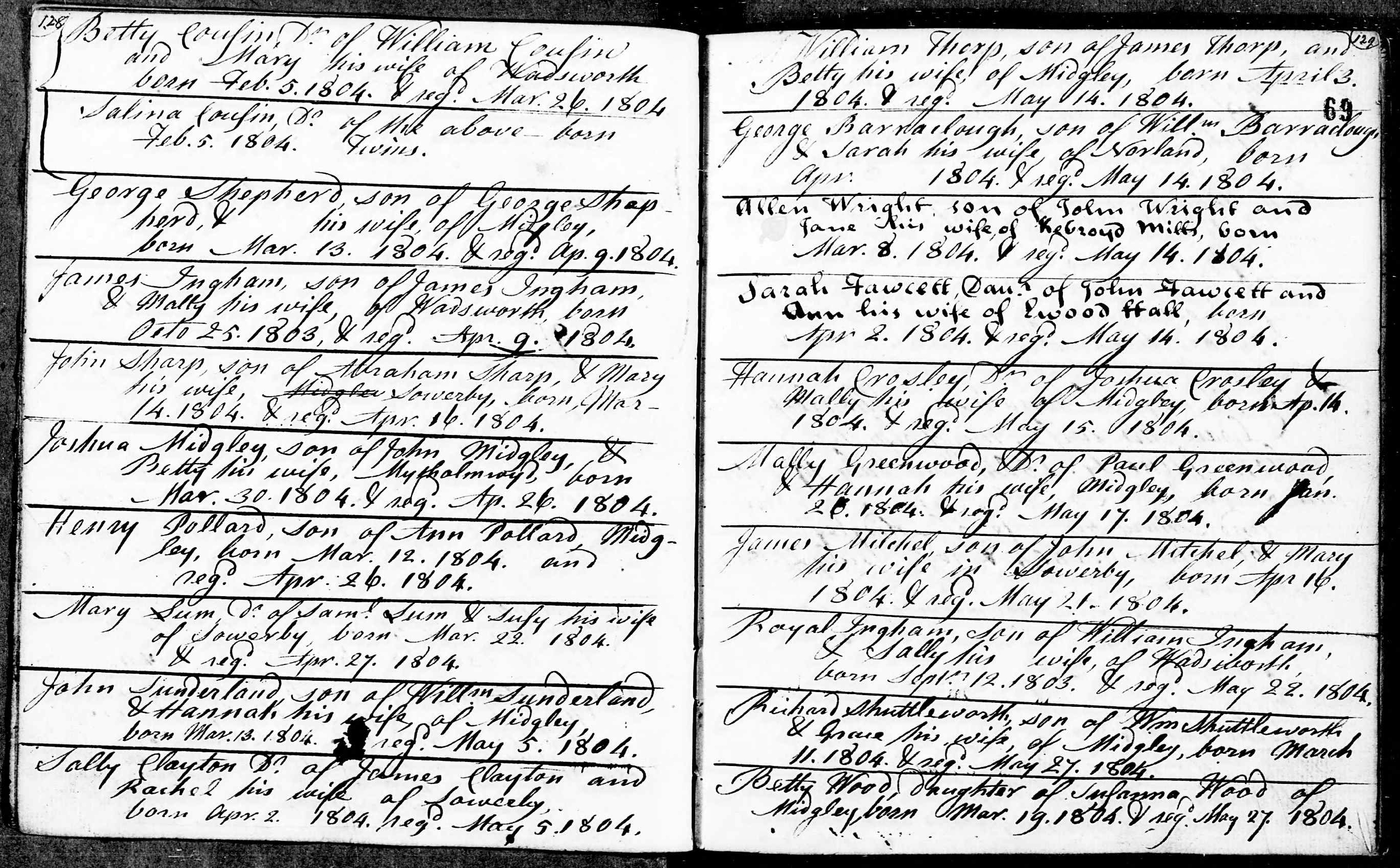
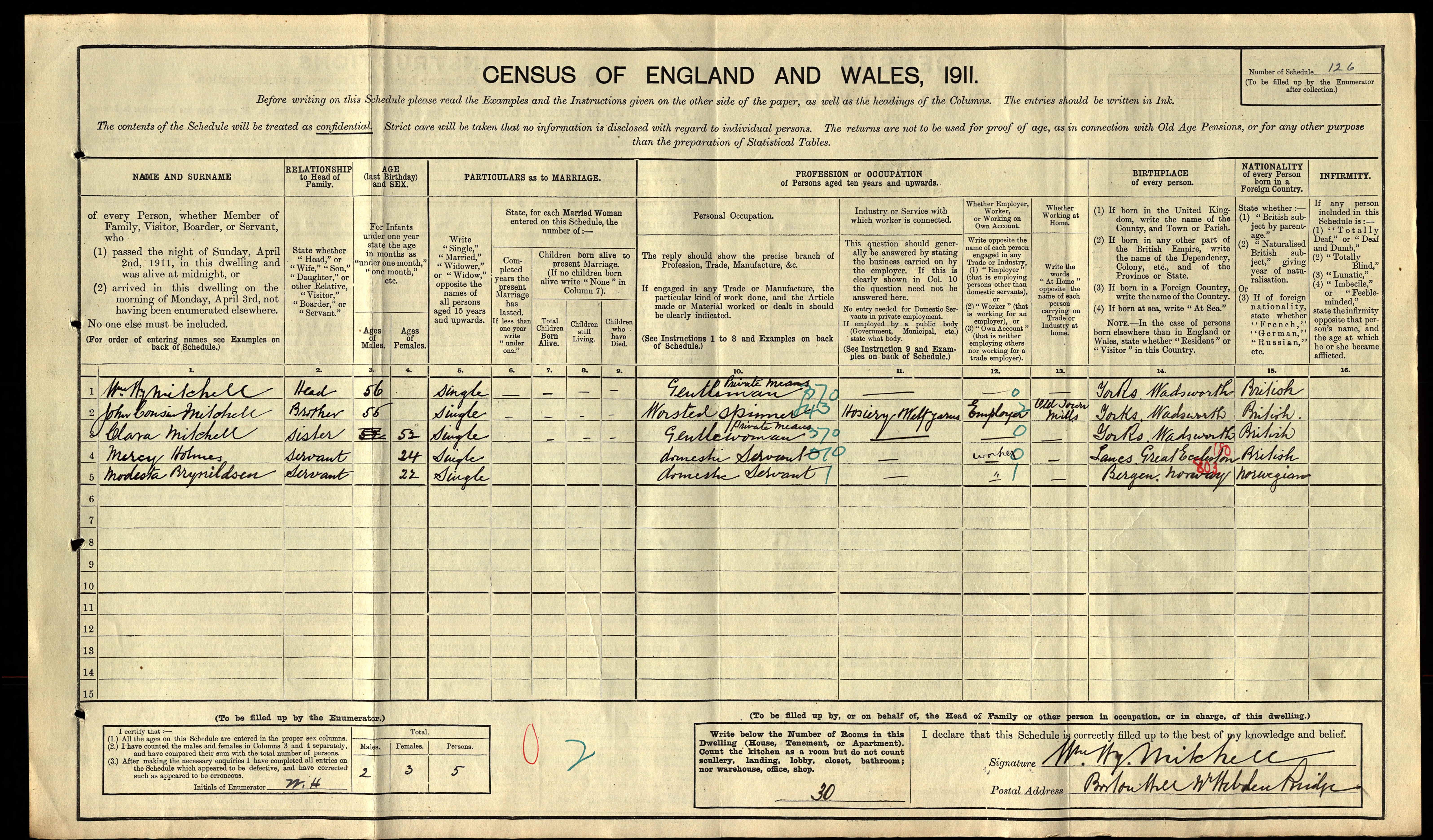
Images downloaded from Ancestry website.
MEMORIALS, TRANSCRIPTIONS & EPITAPHS
English Churchyard Memorials
Frederick Burgess (SPCK, 1979)
Recording and Analysing Graveyards
Harold Mytum (Council for British Archaeology / English Heritage, 2000)
How to Record Graveyards
Jeremy Jones (Council for British Archaeology / RESCUE, 1984)

Monuments and their Inscriptions H.Leslie White (Society of Genealogists, 1987)
Rayment’s Notes on Recording Monumental Inscriptions Revised by Penelope Pattinson (Federation of Family History Societies, 1992)
Caring for Historic Graveyard and Cemetery Monuments (English Heritage / Historic England, 2011) ****
Management of Memorials (Institute of Cemetery and Crematorium Management, 2019) ****
Managing the Safety of Burial Ground Memorials (Ministry of Justice, 2009) ****
Guide for Burial Ground Managers (Department for Constitutional Affairs, 2005) ****
Memorial Specification Guide (The National Association of Memorial Masons) ****
The Blue Book – Reference Guide for Memorial Masons and Cemetery Personnel (British Register of Accredited Memorial Masons, 2018) ****
Gravestones, Tombs & Memorials Trevor Yorke (Countryside Books, 2017)
Graves and Graveyards Kenneth Lindley (Routledge & Keegan Paul, 1972)
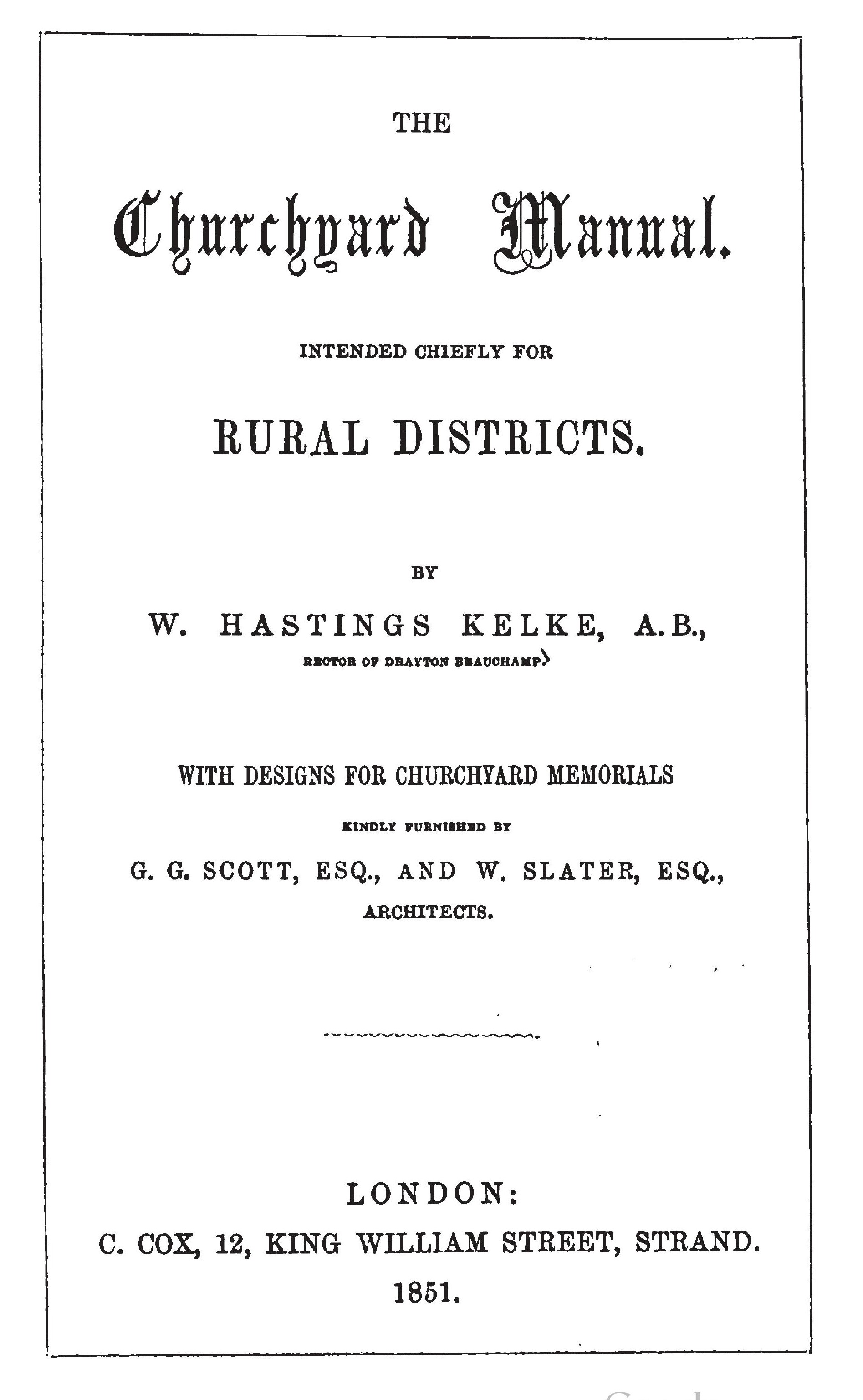

The Churchyard Manual – intended chiefly for Rural Districts W. Hastings Kelke (C. Cox, 1851) **
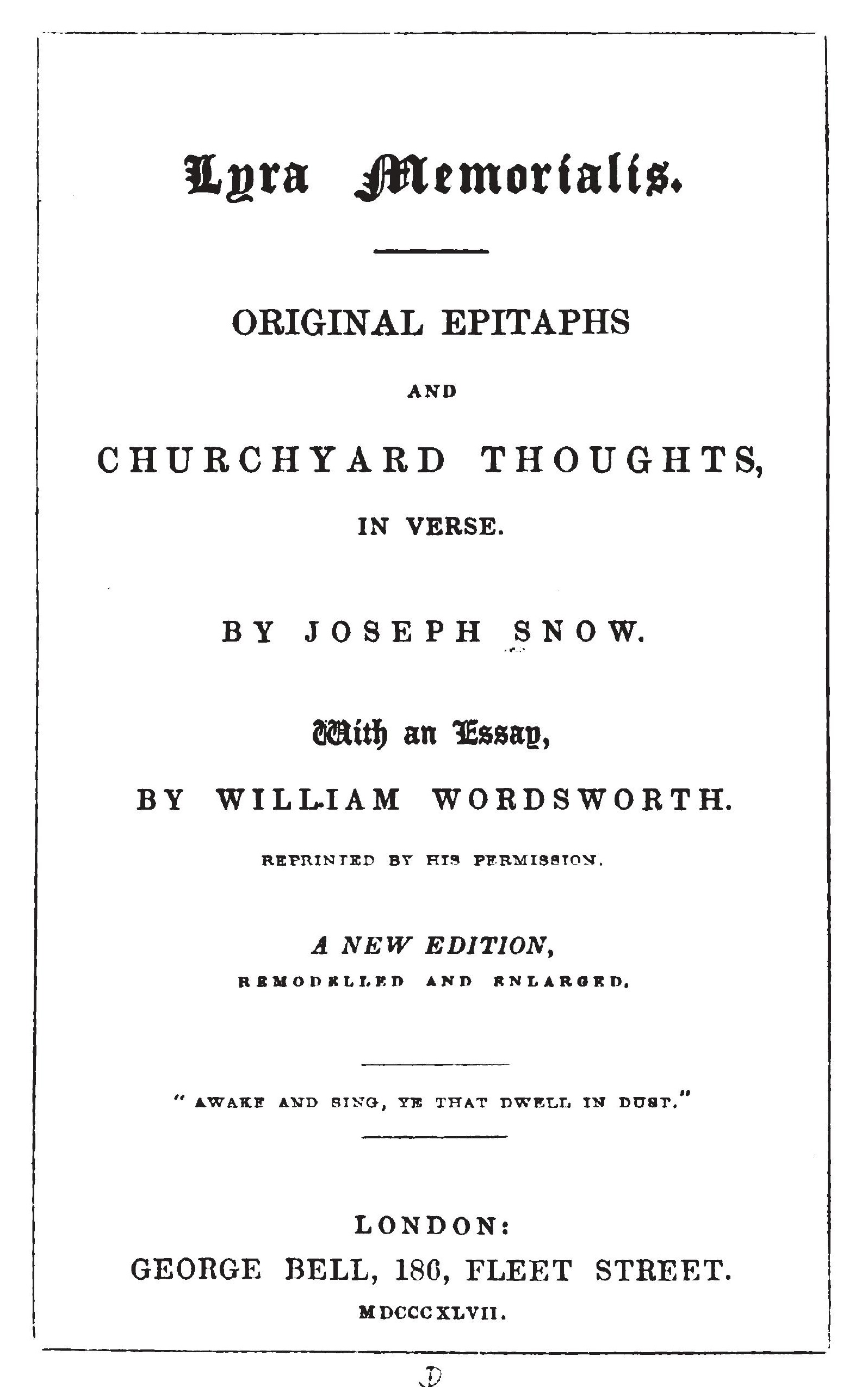
Lyra Memorialis – Original Epitaphs and Churchyard Thoughts in Verse Joseph Snow (George Bell, 1847) **
An Original Collection of Extant Epitaphs, gathered by a Commercial in spare moments Frederick Maiben (1870) **
Remembered Lives David Meara & Lida Lopes Cardozo Kindersley (Cardozo Kindersley, 2013)
The Kindest Cut of All Lida Lopes Cardozo Kindersley & Michael Wheeler (Cardozo Kindersley, 2005)
Tombstone Lettering in the British Isles Alan Bartram (Lund Humphries, 1978)
Headstone Symbols Explained Andrew R. Heaton (Dockroyd Graveyard Trust, 2025) dockroydgraveyardtrust.org.uk
** digitized copy available free from Google books (books.google.com)
**** available for free download online
* * *

Can storied urn, or animated bust
Back to its mansion call
the fleeting breath?
Can honour’s voice provoke
the silent dust,
Or flatt’ry soothe
the dull cold ear of death?
From Elegy Written in a Country Churchyard by Thomas Gray (1716-1761)
MINISTERS, RELIGION & THE SUNDAY SCHOOL
A History of British Baptists W.T. Whitley (Charles Griffin & Co. Ltd., 1923)
A History of the English Baptists Joseph Ivimey (4 volumes, 1811-1830) ****
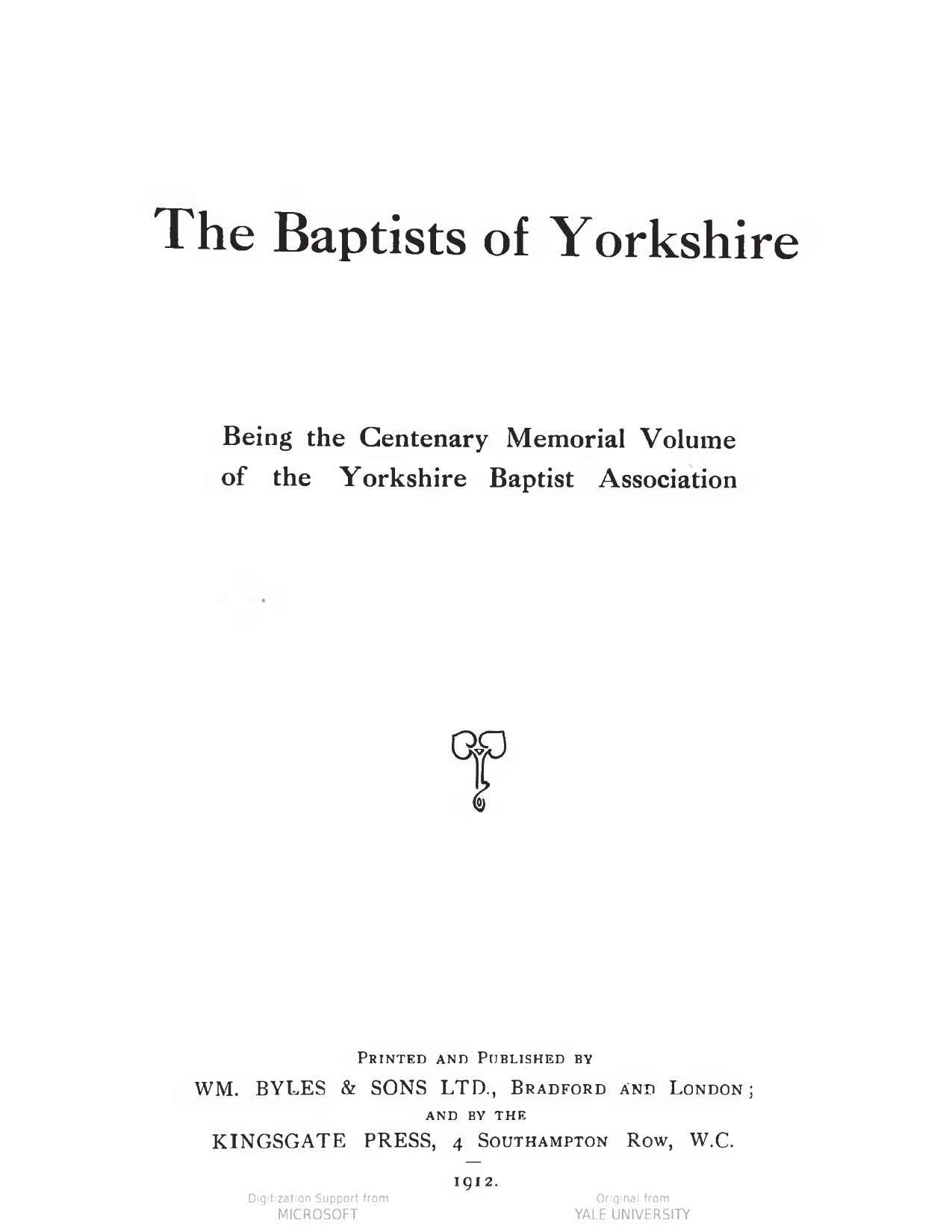
The Baptists of Yorkshire: Centenary Memorial Volume of the Yorkshire Baptist Association (Wm. Byles & Sons Ltd. / Kingsgate Press, 1912) ***
An Account of the Life, Ministry and Writings of the late Rev. John Fawcett D.D John Fawcett jnr (Baldwin, Craddock & Joy, P.K. Holden, 1818) **
A Brief History of the Baptist Church, Hebden Bridge, Yorkshire (Yates and Alexander, 1878) **


The Rev. John Fawcett 1739-1817, Baptist Minister and School Master Jack Uttley (1994) ***
A Memoir of the Rev. John Fawcett D.D, with notes on the Fawcett families in England Charles A. Federer LCP (from The Bradford Antiquary, 1892) ***
A Yorkshire Pioneer David Milner (from ‘Rawdon’ magazine, 1962?) ***
Remembering John Fawcett Michael A.G. Haykin (Andrew Fuller Center for Baptist Studies, 2017) *
Other Times, Other Ministries: John Fawcett & Alexander McLaren Ian Sellers (from Baptist Quarterly, 32, 1986/7, 181-187).
Valley of a Hundred Chapels Amy Binns (Grace Judson Press, 2013)
History of the Baptists in Barnoldswick Rev. Evan R. Lewis FRHS (I.L. Griffiths, 1893) Most of the book has been transcribed by Stanley Challenger Graham on this website – oneguyfrombarlick.co.uk
Census of Great Britain, 1851 – Religious Worship in England & Wales (George Routledge & Co., 1854) **
Religion and Society in the Parish of Halifax John A. Hargreaves (PhD thesis, Huddersfield Polytechnic, 1991) ****
Nonconformist Chapels and Meeting-Houses in the North of England Christopher Stell (RCHME / HMSO, 1994)
Baptists in Sacred Space? Worship, Buildings, and Belonging Professor Clyde Binfield, University of Sheffield (from Baptist Quarterly 2023, Vol. 54, No. 2, 67–89). ****
The New Selection of Hymns for the use of Baptist Congregations (Pewtress Brothers, undated) **
Baptist History Homepage https://baptisthistoryhomepage.com/index.html ‘A source for Original Baptist Documents’ – John Leland Baptist College, Georgetown, Kentucky.
* available from Wainsgate Chapel (£3).
** digitized copy available free from Google books (books.google.com)
*** copy in the Hebden Bridge Local History Society archive.
**** available for free download online
WAINSGATE AT WAR
Calderdale War Dead – A Biographical Index of the War Memorials of Calderdale T.R. Hornshaw & M.W. Fowler (1995)
Addenda to Calderdale War Dead T.R. Hornshaw & M.W. Fowler (2000)
Wadsworth Roll of Honour 1914 – 1919 Author unknown (2014) **
Hardship & Hope: Hebden Royd & Todmorden during the First World War (1914-1918) Peter Thomas (2016)
Going to War: People of the Calder Valley and the First Weeks of The Great War M.E. Crawford (Hebden Bridge Local History Society, 2013)
Women & Girls in the Upper Calder Valley 1914-19 Julia Maybury *
English History 1914-1945 A.J.P. Taylor (Oxford University Press, 1965)
Six Weeks: The Short and Gallant Life of the British Officer in the First World War John Lewis-Stempel (Weidenfeld & Nicolson, 2010)
The Commonwealth War Graves Commission cwgc.org
In From the Cold Project Researches and identifies service men and women missing from the official CWGC list of casualties https://www.infromthecold.org/index.asp
Imperial War Museums iwm.org.uk
The War Graves Photographic Project twgpp.org. TWGPP have undertaken the immense task of recording, archiving and making available to the descendants, images of the graves or memorial listings of every service casualty since the outbreak of the First World War.
The Long, Long Trail: Researching soldiers of the British Army in the Great War of 1914-1919 longlongtrail.co.uk. Chris Baker’s award winning website, essential for serious research into the First World War.
The Men Who Said No: Conscientious Objection 1916-1919 menwhosaidno.org/ Information about all aspects of conscientious objection to military service during WW1, produced by the Peace Pledge Union.
War, Peace and the British Free Churches, 1914-1945 Edited by Andrew Chandler & David Ceri Jones (Bloomsbury Academic, 2026)
* available from Wainsgate Chapel.
** a copy is available for viewing at Wainsgate Chapel – a scanned pdf copy can also be downloaded here:.
* * *
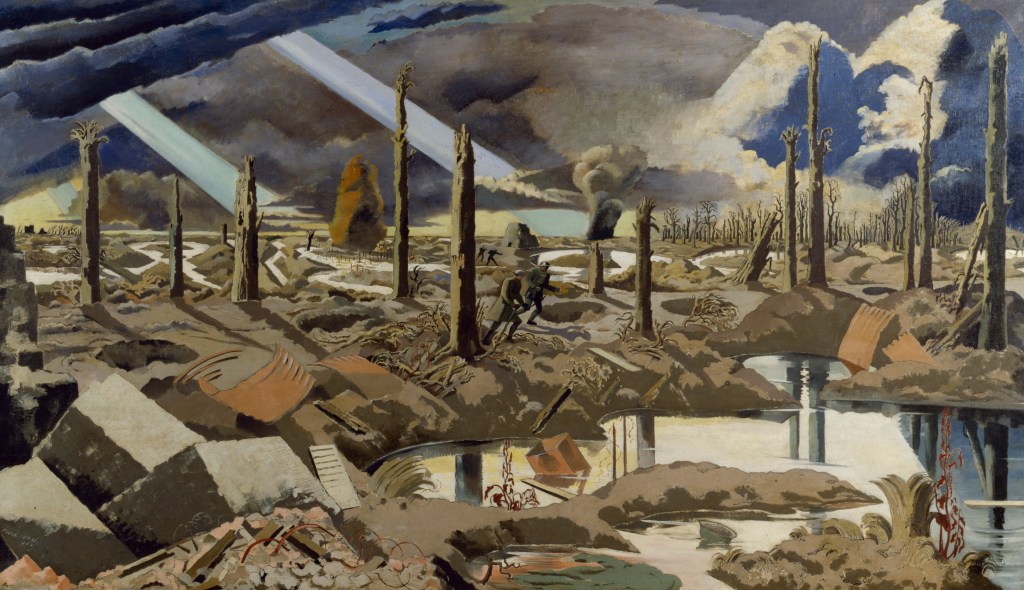
What passing-bells for these who die as cattle?
Only the monstrous anger of the guns.
Only the stuttering rifles’ rapid rattle
Can patter out their hasty orisons.
No mockeries now for them; no prayers nor bells;
Nor any voice of mourning save the choirs,
The shrill, demented choirs of wailing shells;
And bugles calling for them from sad shires.
What candles may be held to speed them all?
Not in the hands of boys, but in their eyes
Shall shine the holy glimmers of good-byes.
The pallor of girls’ brows shall be their pall;
Their flowers the tenderness of patient minds,
And each slow dusk a drawing-down of blinds.
Anthem for Doomed Youth by Wilfred Owen (1893-1918).

REFUGEES
The Treatment of Belgian Refugees in England during the Great War Peter Cahalan (McMaster University thesis, 1977) MacSphere: The Treatment of Belgian Refugees in England During the Great War
Online Centre for Research on Belgian Refugees belgianrefugees.blogspot.com
Tracing the Belgian Refugees – digital project run by the universities of Leeds, Leuven and UCL. belgianrefugees.leeds.ac.uk
Retreat from Antwerp poster by Frank Brangwyn, 1915/16
Belgian Refugees in Britain, 1914-1919 Christophe Declercq (2014) (downloadable pdf)
Tracing the Belgian Refugees University of Leeds / Katholieke Universiteit Leuven (downloadable pdf)
THE WORKHOUSE & THE ASYLUM
The Workhouse Norman Longmate (Pimlico, 2003)
The Workhouse System 1834-1929 Margaret Anne Crowther (Batsford Academic, 1981)
The Workhouse: The Story of an Institution – definitive history of The Workhouse by Peter Higginbotham. workhouses.org.uk
West Riding Pauper Lunatic Asylum Mark Davis (Amberley, 2013)
County Asylums countyasylums.co.uk
Storthes Hall Remembered Ann Littlewood (University of Huddersfield, 2003)
FURTHER READING
More books, publications, organisations and websites relating to burial grounds, memorials, funerary practices and related subjects:
CHURCHYARDS & CEMETERIES
The Churchyards Handbook (3rd Edition) Peter Burman & Henry Stapleton (Church House Publishing, 1988)
Churchyards of England and Wales Brian Bailey (Robert Hale, 1987)
Mortal Remains: The History and Present State of the Victorian and Edwardian Cemetery Chris Brooks (Wheaton, 1989)
The Doubt: ‘Can these Dry Bones Live?’ by Henry Alexander Bowler (1855)

On the Laying Out, Planting and Managing of Cemeteries; And on the Improvement of Churchyards John Claudius Loudon (1843) ****
Churchyard and Cemetery: tradition and modernity in rural North Yorkshire Julie Rugg (Manchester University Press, 2013)
Paradise Preserved: an introduction to the assesment, evaluation, conservation and management of historic cemeteries (English Heritage / Historic England, 2007) ****
Defining the Place of Burial: What Makes a Cemetery a Cemetery? Julie Rugg (Mortality, Vol.5, No.3, 2000)
The Secret Cemetery Doris Francis, Leonie Kellaher, Georgina Neophytou (Berg, 2005)
The Cemetery Research Group (University of York) cemeteryresearch.org/
National Federation of Cemetery Friends cemeteryfriends.com
Caring for God’s Acre caringforgodsacre.org.uk
Natural Burial Grounds – Guidance for Operators (Ministry of Justice, 2009) ****
List of Registered Cemeteries (Historic England, 2018) ****
Burial Grounds: the results of a survey of burial grounds in England and Wales (Ministry of Justice, 2007) ****
Burial Law in the 21st Century: The Need for a Sensitive and Sustainable Approach (Home Office, 2004) ****
Dockroyd Live: Restoration of Oakworth’s Victorian graveyard Andrew R. Heaton (2020) Inspirational book describing the history and restoration of a Victorian graveyard and telling the stories of the people buried there. dockroydgraveyardtrust.org.uk
EPITAPHS
Curious Epitaphs: collected from the Graveyards of Great Britain and Ireland William Andrews FRHS (Hamilton, Adams & Co., 1883) Project Gutenberg eBook – https://www.gutenberg.org/files/43626/43626-h/43626-h.htm
A Fair Gate to Oblivion: A Celebration of the English Epitaph J.P.G. Taylor (Oblong, 2008)
The Faber Book of Epigrams and Epitaphs Ed. Geoffrey Grigson (Faber & Faber, 1977)
Epitaphs of the Great War epitaphsofthegreatwar.com
CARVING & LETTERCUTTING
The Art of Letter Carving in Stone Tom Perkins (Crowood Press, 2007)
Lettercutting in Stone Richard Grasby (Anthony Nelson Ltd., 1989)
Carving Letters in Stone & Wood Michael Harvey (The Bodley Head, 1987)
Letters Slate Cut David Kindersley & Lida Lopes Cardozo (Cardozo Kindersley, 2004)
The Lettering Arts Trust letteringartstrust.org.uk
Stoneletters Hand-carved lettering studio in Oxfordshire stoneletters.com
The Cardozo Kindersley Workshop Lettering workshop in Cambridge, founded in 1946 by David Kindersley kindersleyworkshop.co.uk

FUNERALS
The English Way of Death: The Common Funeral Since 1450 Julian Litten (Robert Hale, 2002)
Funerary Practices in England and Wales Julie Rugg & Brian Parsons (Emerald, 2018)
The Victorian Undertaker Trevor May (Shire, 1996)
The Good Funeral Guide Charles Cowling (Continuum, 2010) goodfuneralguide.co.uk
Poppy’s Funeral Directors poppysfunerals.co.uk London funeral directors whose website is full of ideas, stories and practical advice from ‘the frontlines of death and dying’.
GENERAL
The Undertaking – Life Studies from the Dismal Trade Essays by Irish American poet and funeral director Thomas Lynch (Jonathan Cape, 1997)
The Undertaker’s Daughter Kate Mayfield (Simon & Schuster, 2014)
A Celebration of Death James Stevens Curl (Constable, 1980)
The Victorian Celebration of Death James Stevens Curl (Sutton, 2000)
Heaven, Hell & the Victorians Michael Wheeler (Cambridge University Press, 1994)
The Heritage of Death (English Heritage Conservation Bulletin, Issue 66, Summer 2011) ****
Death, Grief and Poverty in Britain, 1870 – 1914 Julie-Marie Strange (Cambridge University Press, 2005)
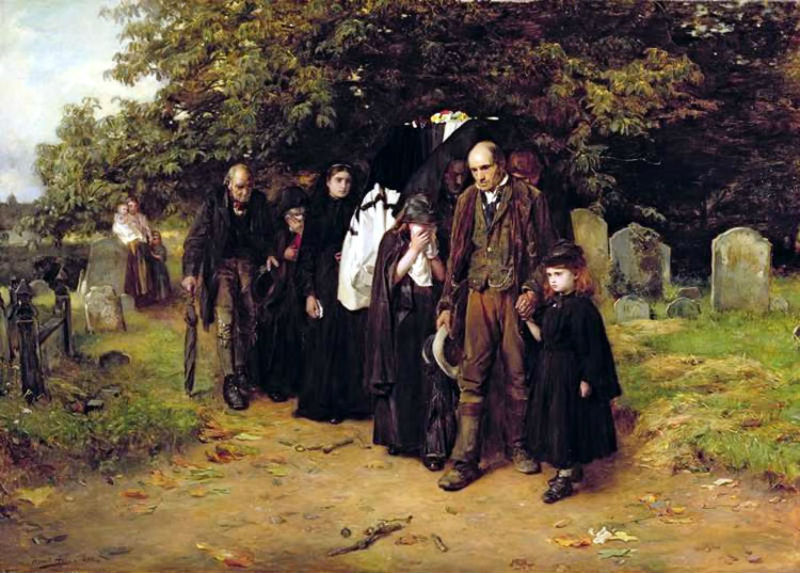
Rites of Passage: Death & Mourning in Victorian Britain Judith Flanders (Picador, 2024)
A Tomb with a View: The Stories & Glories of Graveyards Peter Ross (Headline, 2020)
These Silent Mansions: A Life in Graveyards Jean Sprackland (Jonathan Cape, 2020)
How to Read a Graveyard: Journeys in the Company of the Dead Peter Stanford (Bloomsbury, 2013)
The End of the Road: a Journey around Britain in Search of the DeadJack Cooke(Mudlark, 2021)
The Secret Life of a Cemetery – the wild nature and enchanting lore of Père-Lachaise Benoît Gallot, trans. Arielle Aaronson (Greystone Books, 2025)
Somebody is Walking on Your Grave: My Cemetery Journeys Mariana Enriquez, trans. Megan McDowell (Granta, 2025)
The Hour of Our Death Philippe Ariès, trans. Helen Weaver (Knopf, 1981)
Dealing with Death: a Handbook of Practices, Procedures and Law Jennifer Green & Michael Green (Jessica Kingsley, 2006)
The Disposal of the Dead C.J. Polson, R.P. Brittain, T.K. Marshall (English Universities Press, 1953)
**** available for free download online
* * *
MEMENTO MORI (VITA BREVIS)

‘Quid terra cinisque superbis,
Hora fugit, marcescit Honor, Mors imminet atra’
Why worldly pride leads to ruin:
Time flies, Honour fades, dark Death threatens.
Memento mori ( ‘remember that you must die’) is an artistic or symbolic device which reminds us of the inevitability of death. The concept has its roots in the philosophers of classical antiquity and Christianity, and appeared in funerary art and architecture from the medieval period onwards.
* * *
‘Now, of all the benefits that virtue confers upon us, the contempt of death is one of the greatest, as the means that accommodates human life with a soft and easy tranquillity, and gives us a pure and pleasant taste of living, without which all other pleasure would be extinct’.
‘Let us learn bravely to stand our ground, and fight him. And to begin to deprive him of the greatest advantage he has over us, let us take a way quite contrary to the common course. Let us disarm him of his novelty and strangeness, let us converse and be familiar with him, and have nothing so frequent in our thoughts as death’.
‘Let us evermore, amidst our jollity and feasting, set the remembrance of our frail condition before our eyes, never suffering ourselves to be so far transported with our delights, but that we have some intervals of reflecting upon, and considering how many several ways this jollity of ours tends to death, and with how many dangers it threatens it’.
‘Where death waits for us is uncertain; let us look for him everywhere. The premeditation of death is the premeditation of liberty; he who has learned to die has unlearned to serve’.

‘Wherever your life ends, it is all there. The utility of living consists not in the length of days, but in the use of time; a man may have lived long, and yet lived but a little. Make use of time while it is present with you. It depends upon your will, and not upon the number of days, to have a sufficient length of life’.
Quotations from the essay That to Study Philosophy is to Learn to Die by Michel de Montaigne (1533-1592), translated by Charles Cotton. Illustration by Salvador Dali (1947).
* * *
“Life should not be a journey to the grave with the intention of arriving safely in a pretty and well preserved body, but rather to skid in broadside in a cloud of smoke, thoroughly used up, totally worn out, and loudly proclaiming “Wow! What a Ride!”
From The Proud Highway: Saga of a Desperate Southern Gentleman, 1955-1967 by Hunter S. Thompson.
 WAINSGATE GRAVEYARD PROJECT